
sales@heartpine.org

Resource Recovery
                         Specializing In Old Growth Heart Pine & Cypress


SPECIALIZING IN OLD GROWTH HEART PINE & CYPRESS

"Recovering history, one log at a time"


 Please pardon our appearance while we update our website.

(850) 835-2991  Sales@heartpine.org

We work with

each individual customer to completely fulfill your lumber needs, for any specifications your project requires. We produce high quality, clear wood with very few small knots to achieve maximum excellence in the finished product.

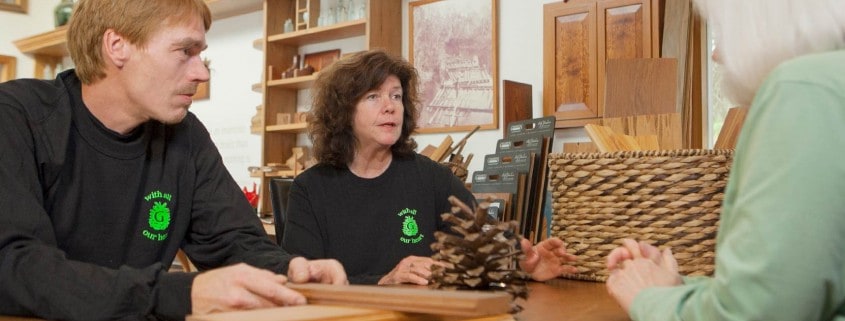
Samples of Heart Pine and Cypress

are readily available, and will prove their worth at first glance. Contact us today for representative samples of our wood.

The logs that we recover

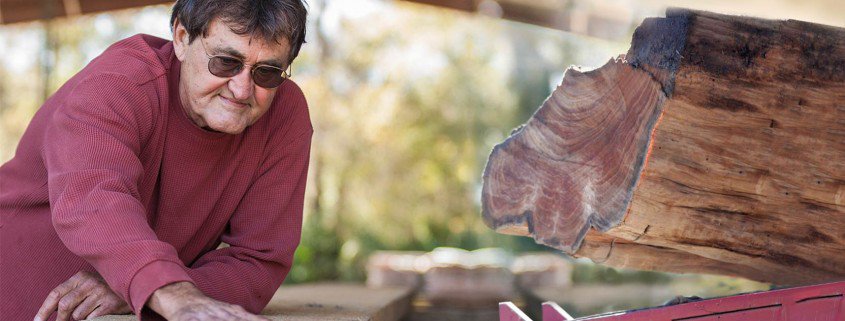
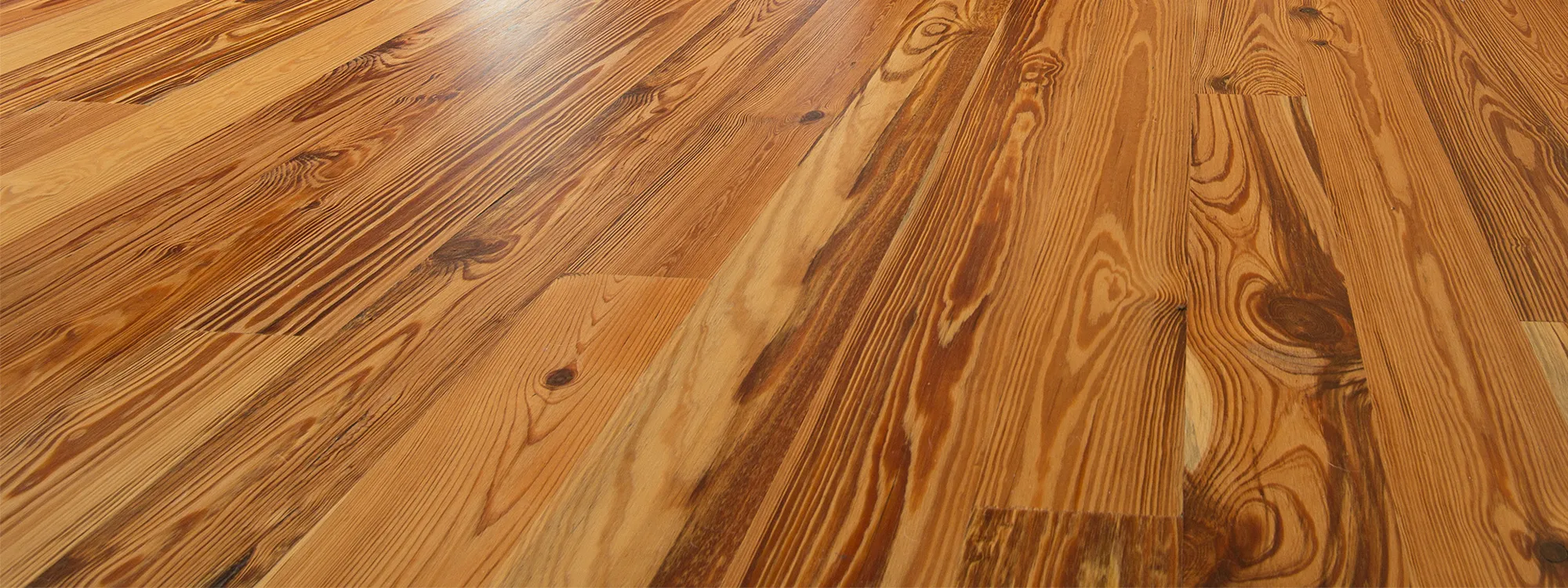
from the clear, sandy bottom rivers in Northwest Florida are from true old growth trees that are hundreds of years old. Many logs feature 15 to 40 growth rings per inch. You will not find a tighter grained wood growing today.

Our product line

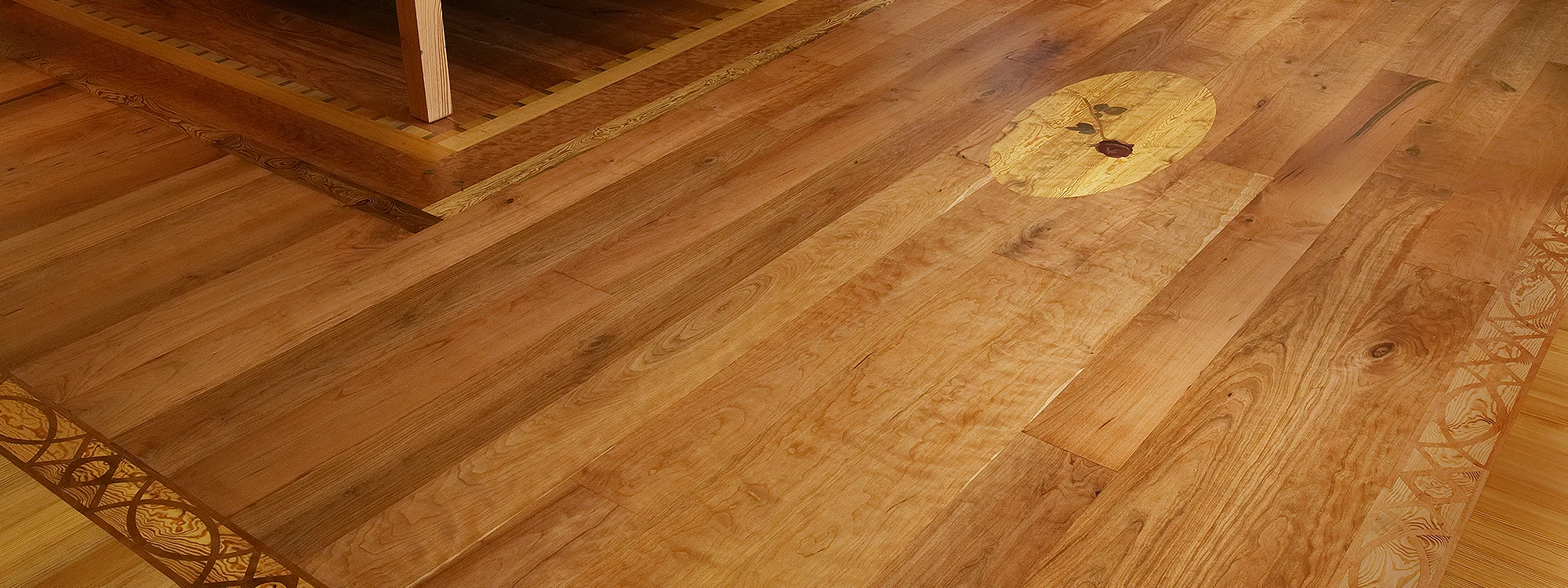
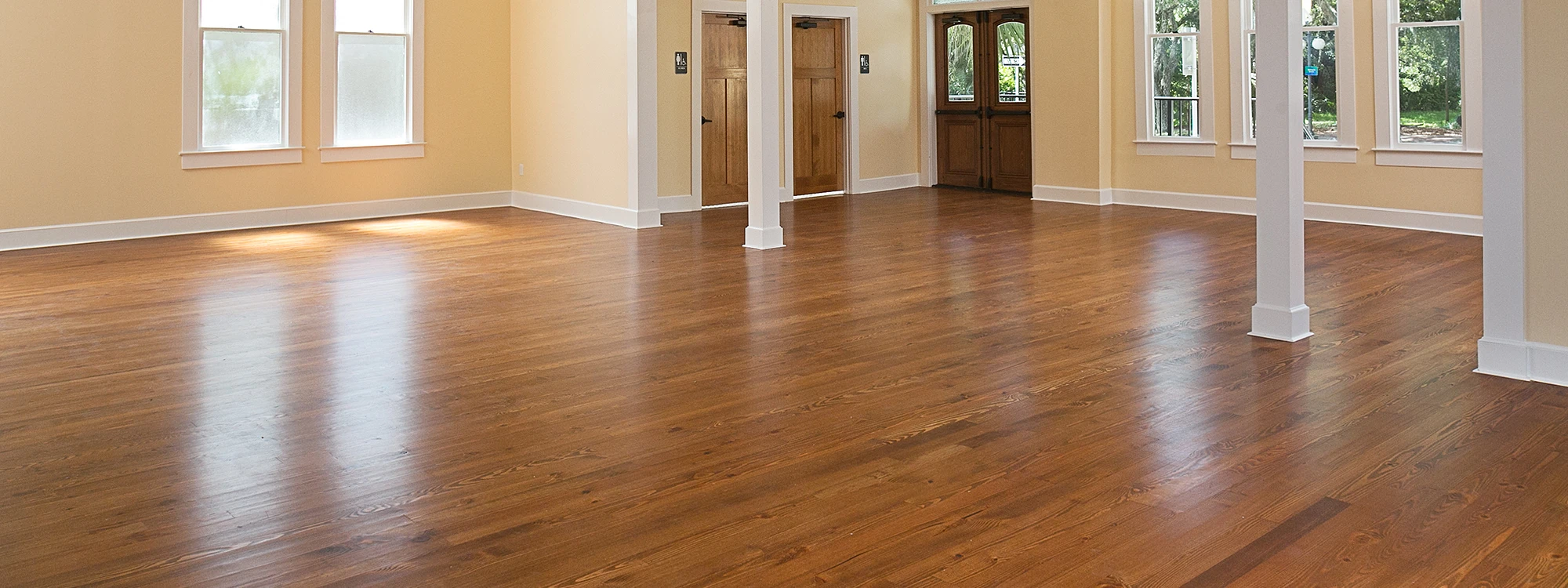
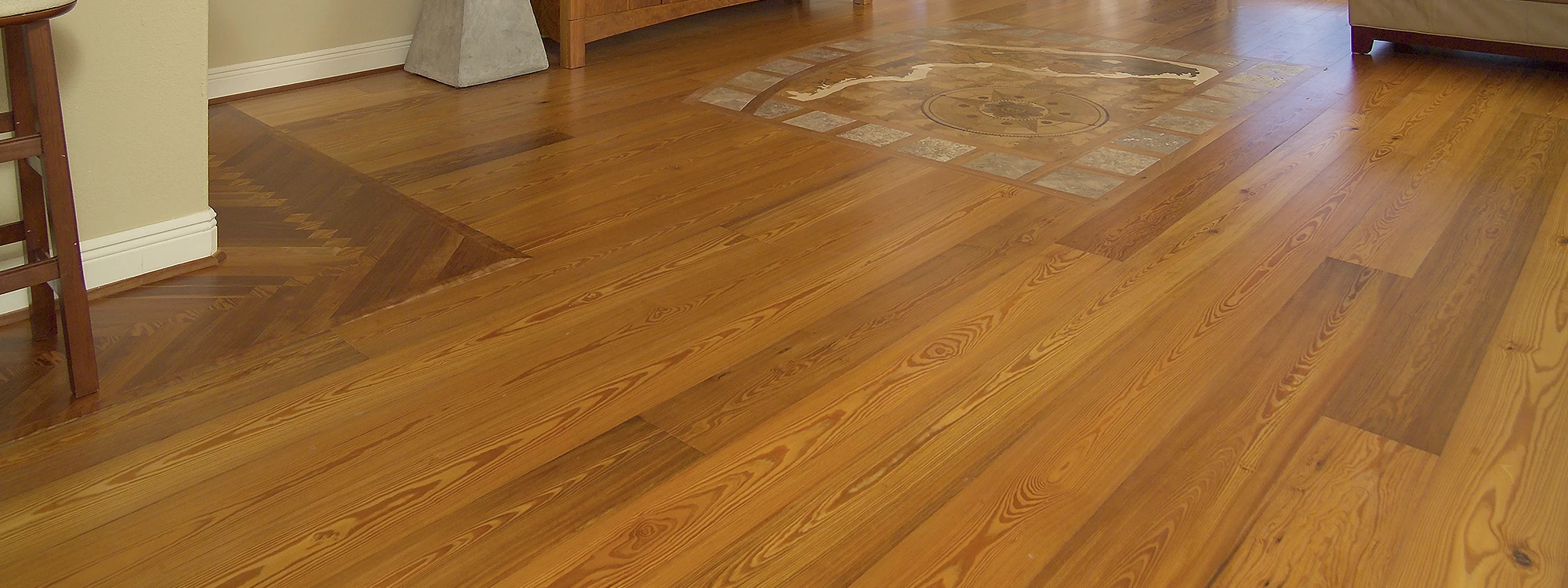
includes the best in solid plank flooring and paneling, cants, timbers, beams, moulding and stair treads. We also cater to custom orders. Since we have the entire log to work with, we can mill to most any dimensions.

Old Growth Heart Pine and Cypress

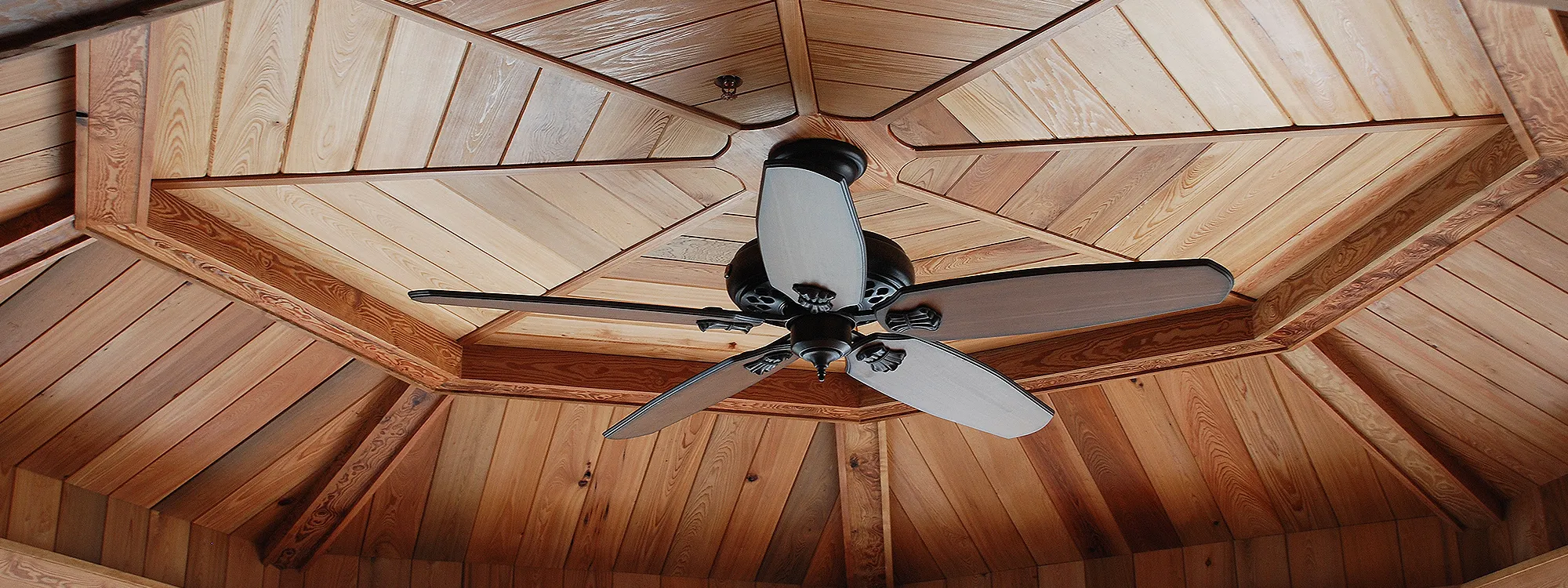
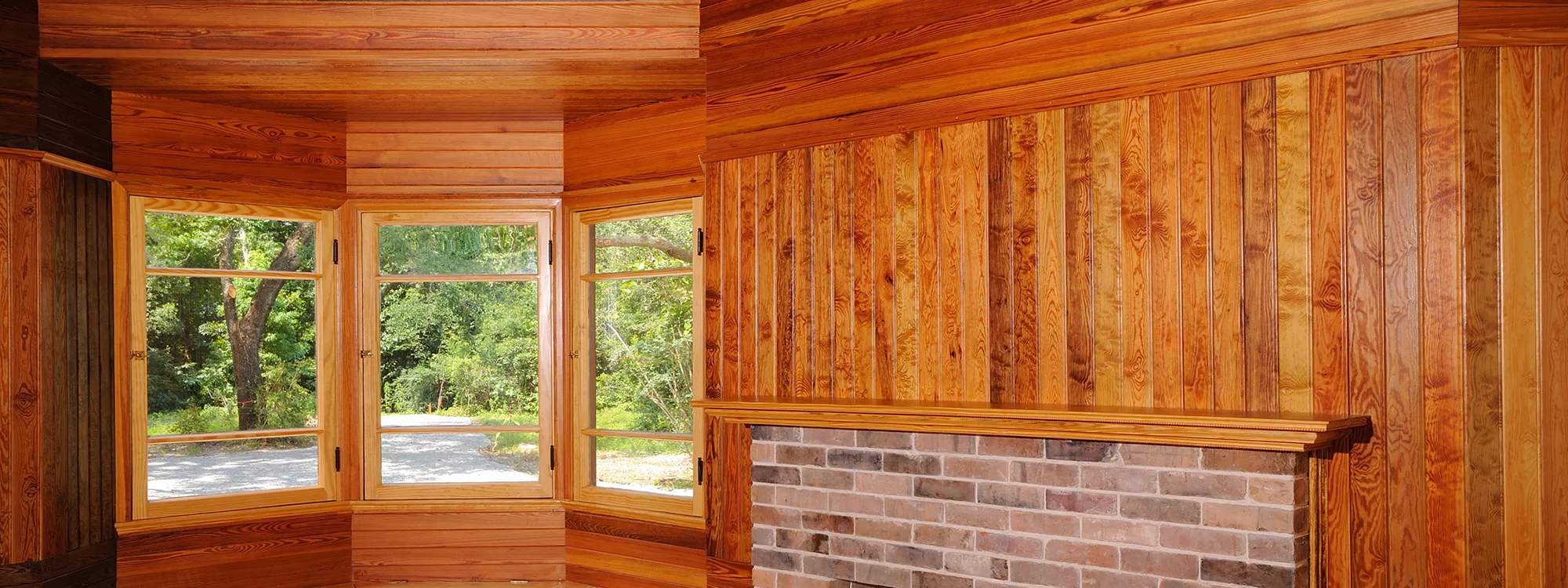
have been utilized for centuries in buildings, bridges, furniture, flooring and many other applications, and are known worldwide for their strength and durability, beauty and versatility.


old growth forests

Own a piece of history

The beautiful and durable Heart Pine,

also known as Southern Longleaf yellow pine, old growth pine or pitch pine, served as a major factor in the building of colonial America. Colonists who set foot on this vast land found nearly 100,000 square miles of forests covering southwestern Virginia to central Florida, along the gulf coast as far west as Texas. These dense forests contained enormous trees that grew as tall as 175 feet and as wide as 125 inches. Most trees averaged 125 feet tall and 40 inches wide at maturity.

The wood from these trees

built a great number of structures throughout America and the world, many of which still stand today. Homes, plantations, mills, warehouses, factories and public buildings were constructed out of longleaf pine. In fact, the settlers of Georgia, Florida and the Carolinas built 75 percent of houses and public buildings out of longleaf pine. The astounding versatility of this wood was apparent, being incorporated into everyday items such as farm implements, furniture and cabinets, to construction, flooring and siding. The exceptional structural quality of the longleaf pine was utilized in bridges, wharves, trestles, posts, joists and piles. The wood was used to build ships for first the English Navy, followed by the American Navy. Longleaf pine was also a major source for naval stores. The massive ship, the U.S.S. Constitution, also known as “Old Ironsides,” has a keel made of a single heart pine timber, and its decks are of heart pine planks. This ship, built in 1794, is the oldest commissioned ship in the U.S. Navy.

Longleaf pine continued its historical impact

with the ruling of King George II, who in the 1700's mandated that all straight pines exceeding 24 inches in diameter would be considered property of the crown. He then ordered his surveyors to brand the pines with his mark of a broad arrow. In response to this proclamation, the colonists tarred and feathered the surveyors. This act is considered by many to have been a precursor to the Boston Tea Party. 

As the Industrial Revolution surged ahead,

the development of locomotives geared toward logging, and equipment such as steam skidders and band saws quickened the pace and greatly increased the volume of logs that was processed. By the mid-1920’s, most of the available virgin forest was logged.

Only about a third of the vast forest was left. Today, only about 5 percent of the original virgin forest remains. Longleaf pine was not replanted to a great extent, due to the lengthy period of time, 150 to 400 years, to maturity.

Pensacola Harbor, Circa 1897-"Stevedores standing on timber rafts at shipside loaded large pine and cypress logs into the ship through holes cut just above the waterline. As loading continued, the opening was carefully sealed and the ingenious process repeated higher and higher up the ship's hull until she was filled." This photo was taken by Pensacola photographer George Turton for publication in an 1897 edition of the "Bliss Quarterly," a promotional magazine of the day. (from Historic Pensacola)

American Lumberman, June 1, 1929

- " Suwanee River Longleaf Yellow Pine of the Putnam Lumber Company. The most dense pine here attains its highest perfection, tall, symmetrical and of a size to produce big timbers."

"Some of the 'Suwanee River Cypress' Logs Cut from the Tidewater Red Cypress Timber of the Putnam Lumber Co. You couldn't ask for finer quality."

Mules hauling freshly cut logs


Ringed Cypress Trees in Dixie County Florida- From FL. Photo Coll.-

"The trees are deadened 6 to 12 months before cutting. This dries out the tree and makes it much lighter, easier to handle and prevents sinking. The cuts are three to four inches deep, above the butt swell."


the recovery process

This is how we do it...

The seemingly endless supply

specialized equipment to extract the logs from the same rivers that were used 200 years ago to transport the wood to the mills, when they sank to the bottom. The loggers of that time would cut the trees, tie them together to construct rafts, and float them down the river to the sawmill. Log jams and river bends

We use

our products

Discover the River Reclaimed Advantage

The virgin forest that covered nearly 100,000 square miles centuries ago has been severely depleted, and

Wood reclaimed from rivers carries certain advantages over wood salvaged from old buildings. First, the logs lay whole, untouched and preserved for one hundred years plus under cool waters. A lack of light and oxygen prevented normal rot and deterioration. Our wood has not suffered wear and tear of time. There are no nail or bolt holes. In addition, with control of the entire log, we can mill in larger dimensions according to customer specifications.

It is important to remember that wood is a natural product. Therefore, no two pieces will look exactly the same. While the wood you order will be consistent in quality and general appearance, minor variations such as few small knots, color and pattern nuances should be expected. If requested, we will hand pick the boards to suit your preference, based on availability.

 not replanted to a great extent due to the lengthy duration necessary for these trees to reach maturity. Only about 5 percent of the virgin forest exists today.


Why Heart Pine?

In virgin forests, an abundance of trees unrivaled by any of today's forests grew slowly over centuries. The thick forest conditions encouraged the wood to grow more dense and more resinous with the passing of each year. Heart Pine is renowned for its strength and durability, setting it aside from all other types of wood.

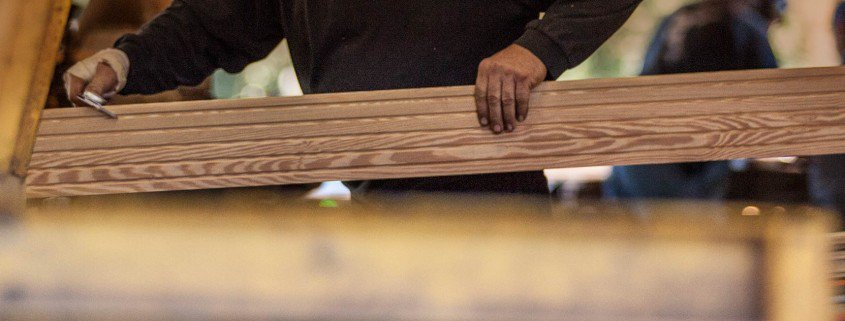
Our Heart Pine is cut from branded, old growth logs recovered from the rivers of Northwest Florida. There is moderate color variation within species and grades. The grain is very dense with high figuring. Flat sawn has a more leafy appearance, vertical grain is linear or pinstriped. Curly or Rosemary Pine has a whorled appearance, with intense figuring and is very rare. This wood is offered in limited availability. It is best for trim or accent pieces. Heart Pine has a natural resistance to insects due to its density and high resin content. It's workability characteristics (machining/finishing) are excellent. While only 5% softer than red oak, Southern Longleaf Pine is nearly 30% more stable dimensionally. We offer wide planks and solid exposed beams in tight-grained old growth heart pine.

The following characteristics are what make Heart Pine so unique and valuable. These are the major traits of this substantial wood:


Strong and durable, high dimensional stability

Extremely tight growth ring pattern, straight grain

Dense and resinous

Unique and beautiful color ranging from strawberry blonde to deep honey to warm reddish brown

Exceptional resistance to rot, decay and insects

Substantial heart content

Versatile for building

Variety of grades, finishes and grain patterns

Excellent workability

Historically significant

Environmentally sound

Superior resistance to decay, rot and insect damage

Highly durable; known as the "Wood Eternal"

Versatile for both indoor and outdoor applications

Available in full width and length lumber from old growth trees

Historically significant

Substantial heart content

Environmentally sound

Striking color consistency ranging from golden

 yellow to soft olive, from chocolate tones to a beautiful red patina

Resource Recovery

407 B.H. Reddick Rd.

Bruce, FL. 32455

(850) 835-2991

Sales@heartpine.org